
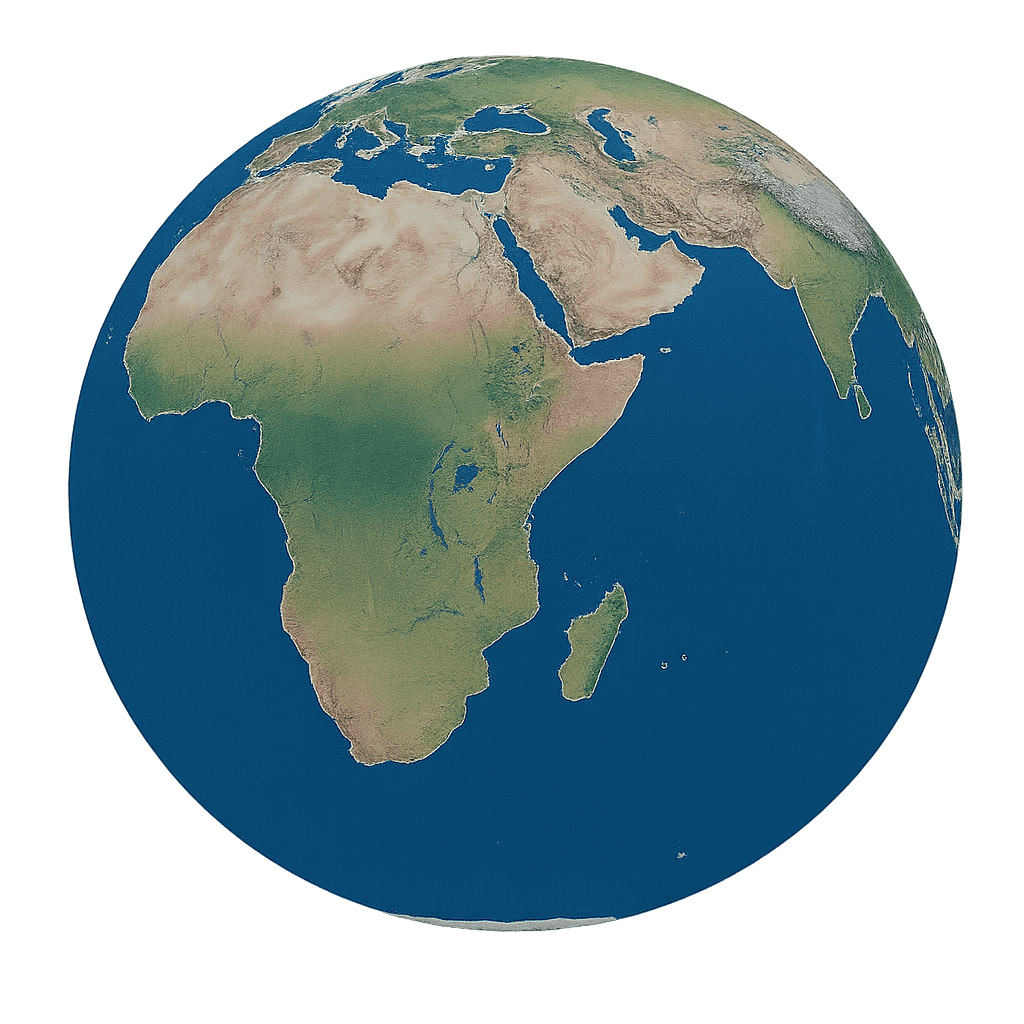
Climate and Food Security: El Niño forecasts are already informing aid planning in the Horn of Africa, while UNICEF warns the weather pattern could put 347 million children at risk. Kenyan scientists are developing climate-resilient crops as southern Africa faces threats to maize and bean harvests. Water and Resilience: Nigeria and the Niger Basin Authority are urging faster delivery of regional water projects; Tanzania’s largest city is pursuing an elevated bridge to tackle chronic flooding. Nature: The UN has pledged $78 million for Africa’s Great Green Wall, while a new report says monitored wildlife populations on the continent have declined 80% since 1970. South Africa has established a new national park in the Eastern Cape. Pollution and Waste: Pollution has halted operations at the Rietvlei water plant, and South Africa’s tyre-waste recycling plan is faltering. In Kenya, a new Dandora initiative is promoting eco-friendly waste management.
AGP Executive Report
Your go-to archive of top headlines, summarized for quick and easy reading.
Note: AI summary from news headlines; neutral sources weighted more to help reduce bias in the result. Feedback is welcome. Please let us know if you have any comments or suggestions about the AGP Executive Report.
Climate Risks: UNICEF warns a powerful El Niño could expose 347 million children worldwide to worsening droughts, floods and heatwaves, with impacts on health, education and safety. Water Security: Niger Basin countries are being urged to speed up water projects and secure funding for climate adaptation, affecting livelihoods across a region where more than 80% of jobs depend on water. Sahel Displacement: UNHCR says displacement has more than doubled in six years, as violence, climate shocks and funding shortages force more families to flee. Conservation: South Africa has established a new Grasslands National Park in the Eastern Cape, while WWF reports African wildlife populations have fallen by 80% over five decades. Extreme Weather: South Africa faces severe thunderstorms in parts of the Eastern Cape and high fire danger in several regions.
Mine Rehabilitation: A South African court convicted two former directors and three Gupta-linked companies over the diversion of R107 million meant to repair environmental damage at the Optimum and Koornfontein coal mines. Water and Health: An investigation in Cross River State found health centres without reliable water, undermining drinking water access, hygiene and safe care. Forest Restoration: Togo is preparing a national database to track degraded land, restoration projects and progress towards its target of restoring 1.4 million hectares by 2030. Wildlife: WWF reports monitored wildlife populations in Africa have declined by 80% in five decades, with habitat loss the most commonly reported threat. Climate Readiness: El Niño could intensify before December, heightening weather risks; the UN has also launched a $78 million programme for Africa’s Great Green Wall.
Severe Weather: South Africa’s weather service warned of heavy rain, hail and damaging winds in parts of KwaZulu-Natal and Mpumalanga, with flooding risks. Drought Response: Kenya received a $2 million Chinese grant for drought relief and Ebola preparedness as the country faces prolonged dry spells and forecasts of El Niño rains. Environmental Accountability: A South African court convicted Gupta-linked companies and directors over the misuse of R107.5 million earmarked to rehabilitate mined land. Climate and Conservation: Africa’s monitored wildlife populations have fallen 80% since 1970, according to a new report, while the UN has launched a $78 million programme to restore the Great Green Wall. Clean Energy: A wind-turbine study found that painting one blade reduced bird deaths by nearly 74%; earlier trials in South Africa reported an 83% drop.

Climate and Courts: As governments pull back on climate commitments, litigation is gaining ground; an advisory opinion from the African Court on Human and Peoples’ Rights is expected. El Niño Preparedness: Warnings point to weather and food risks across Africa, including threats to southern African maize and bean harvests. Governments are ramping up flood preparations, while forecasts say unusual rainfall could expose 20 million children in West and Central Africa. Water Pollution: Pollution has halted South Africa’s Rietvlei water plant, raising concerns about local water supply. Wildlife: WWF says monitored African wildlife populations have fallen 80% in five decades; six SADC countries have launched a Vulture Safe Zone Alliance. Restoration and Resilience: A new $78 million UN programme will support Africa’s Great Green Wall, while Uganda is advancing locally led climate action in 12 districts.
Climate Commitments: African negotiators are pressing for climate promises to be delivered at COP31, as forecasts warn a strengthening El Niño could disrupt rainfall, harvests and food supplies. West and Central Africa face unusual rainfall risks, while southern Africa’s maize and bean crops are vulnerable to dry spells. Early Warning: A Nigeria study finds satellite data on soil moisture and vegetation, paired with farmers’ reports, can reveal drought damage that rainfall measures miss — a potential boost for warnings reaching smallholders. Restoration: The UN and partners have launched a $78 million programme to restore Africa’s Great Green Wall, supporting a major effort to revive degraded landscapes. Biodiversity: WWF reports steep declines in monitored wildlife populations across Africa. The figures track population trends, not the total number of animals, and habitat loss is a leading pressure. Resilience: South Africa is seeing more frequent and intense weather disasters, highlighting the need to strengthen household preparedness and access to insurance.
Flooding: Climate-amplified rain, clogged drains and building on wetlands have left nearly 20,000 people affected across parts of Liberia, with seven deaths reported. Residents are calling for waterways to be cleared and wetlands protected. Great Green Wall: A new $78 million UN-backed programme will restore more than 270,000 hectares in nine African countries and support livelihoods for five million people. Biodiversity: WWF’s latest report says monitored wildlife populations have declined by an average of 73% worldwide since 1970; the reported decline in Africa is 80%. El Niño: Forecasts point to a potentially record-strength event, raising risks of unusual rainfall and pressure on crops and food security across the continent.
Food Security: A powerful El Niño could bring below-average summer rain to southern Africa, pushing up maize prices and putting bean harvests at risk; past climate shocks have cut legume yields by as much as 78%. Farm Innovation: A Ghana Senior High School team won a youth challenge with a solar dryer designed to protect grain from pests and bad weather, helping reduce post-harvest losses. Clean Energy: Zambia says installed solar capacity has reached 1,027.5 megawatts, surpassing its 2026 target, but the government says transmission and distribution need more investment. Drought Research: A new review highlights how soil microbes and water-management strategies could work together to help crops cope with drought, pointing to a potential route toward more resilient farming.
El Niño and hunger pressure: Southern Madagascar’s famine-scarred south is bracing for El Niño-driven drought risk, with aid cuts and inflation already worsening food shortages. Climate risk for children: UNICEF warns unusual rainfall could expose 347 million children across West, Central, East and Southern Africa to flooding or drought impacts. Weather disruption in South Africa: The SA Weather Service issued damaging-winds and waves warnings for parts of KwaZulu-Natal and the broader coast, with rain and thunderstorms moving through eastern provinces. Food security and resilience policy: The Global Food Security Summit (GFSS 2026) in Abu Dhabi put resilient food systems, innovation and investment at the center of international cooperation. Energy transition and industry decarbonisation: Unilever in Kenya unveiled an 800kW solar installation and switched boilers to biomass, cutting factory emissions by about 40%. Deforestation-linked cocoa rules: Analysis says the EU’s zero-deforestation law (EUDR) is already reducing cocoa sourcing emissions and pushing “deforestation-free” claims upward. Governance and accountability: South Africa’s “My Vote Counts” tool spotlights municipal service delivery ahead of local elections, linking voting choices to real constitutional mandates. Economy outlook with climate caveats: The World Bank raised Sub-Saharan Africa’s 2026 growth forecast to 4.3% but warned jobs and poverty reduction lag, with El Niño and debt risks still looming.
Climate risk for children: UNICEF warns El Niño could expose 347 million children across nearly 100 countries to extreme wet/dry conditions, raising risks of flooding, drought, displacement, malnutrition and disease—especially in East and Southern Africa. Waste and circular economy: Namibia’s Khomas Regional Council launched a Green Growth and Circular Economy Roadmap to tackle poor waste management and build climate resilience, with a Rethink Waste Greencycle Expo set for Oct 8–9. Solar investment: Orb Energy secured $2m from KawiSafi Ventures to expand commercial and industrial solar across East Africa, aiming to speed cleaner power deployment in Kenya and beyond. Oil infrastructure oversight: Uganda’s MPs conducted field visits to EACOP and other petroleum projects in Uganda and Tanzania, assessing readiness for first oil and progress on key sites. Corporate climate liability case: A major US Supreme Court climate lawsuit over oil-company responsibility is set to proceed, with potential ripple effects for climate-related claims. Public health tech: Google Earth AI is being used to spot disease risk earlier by combining satellite, mobility, weather and search signals—tested in Africa during outbreak response.
Housing & Cities: UN-Habitat marked World Habitat Day in Muscat, spotlighting the 2026 “Adequate Housing for All” push and awarding its Scroll of Honour to winners from Brazil, Myanmar, Pakistan, Tunisia and the UK—highlighting affordable homes, waste-to-materials and support for displaced and Indigenous communities. Waste & Landfills: South Africa faces a looming landfill squeeze as illegal dumping grows and infrastructure lags; the focus is shifting from building more landfill to cutting waste and expanding recycling, with Extended Producer Responsibility flagged as a key lever. Climate & Oceans: Rare marine sightings off Mozambique—like orcas and whale sharks—are becoming more frequent, with scientists linking changes in currents and plankton to El Niño-linked warming. Food Security & Seeds: Africa is urged to invest in its own seed systems to reduce dependence on imported inputs as climate shocks worsen droughts, floods and pests. Governance & Accountability: South Africa’s municipal reform debate continues as Emfuleni’s corruption and service failures are tied to worsening rubbish and health risks. Safety & Disasters: Nigeria mourns 32 killed in a military plane crash in Ondo State, with investigations ordered. Biodiversity & Community: A KwaZulu-Natal entrepreneur is turning invasive alien vegetation into charcoal, creating jobs while tackling an environmental problem.
Social-Sector PPP Push: African governments are urged to improve project preparation and adopt new financing models so public-private partnerships can expand affordable education, health care, housing, water and energy without overburdening households. Illicit Tobacco Supply Chains: Zambia’s illicit cigarette rate is estimated at 12.2%, far below several neighbours, and the data points to enforcement gaps and supply-chain vulnerabilities as key drivers. Sahel Trade Corridors: Togo’s Port of Lomé launches a business tour to Niger, Burkina Faso and Mali to strengthen Sahel corridor trade links. Lobito Corridor Focus: Zambia’s finance minister says the Lobito Corridor must become an economic corridor that boosts industrialisation and local participation, not just moves goods. Climate and Weather Alerts: South Africa’s weather service warns of severe thunderstorms, damaging winds and hazardous waves in parts of KwaZulu-Natal and the coast. Wildlife Conservation: India’s Kuno National Park reports five new cheetah cubs, lifting the national population to 60 and advancing planned relocations. Rhino Crisis Spotlight: A new report highlights how Sumatran and Javan rhinos are nearing extinction, underscoring urgent conservation needs beyond Africa.
Climate & food prices: FAO reports global rice prices rose nearly 10% in September, driven mainly by higher Indica prices amid weak demand and market uncertainty. Urban wildlife conflict: Cape Town’s baboon problem is escalating, with plans to remove animals sparking a bitter debate over culling vs sanctuary—set to weigh on municipal politics. Water & sanitation pressure: South Africans are facing unreliable municipal water, and households are also struggling with basic sanitation when water systems fail. Environmental governance: Zimbabwe’s EMA plans to decentralise lab capacity, adding facilities in Beitbridge (chemical border samples) and Bulawayo to speed environmental testing. Marine conservation: Tanzania hosts COP12 to the Nairobi Convention (Oct 6–9) aiming to curb marine pollution, illegal fishing and coastal ecosystem damage. Energy & industry: Kenya’s push for reliable green power is framed as key for industrial growth and meeting low-emission supply-chain demands. Economy & climate risk: South Africa’s private sector contracted fastest since December as fuel-driven costs, supply bottlenecks and weaker new orders bite. Biodiversity & tourism: KZN’s “Spirit of Zululand” event blends culture, youth support and tourism promotion around Mkuze.
Energy Security: Namibia is being urged to prioritise energy security, affordability and sustainable development as demand rises, with calls to treat energy planning as both a geopolitical and economic issue. Road Safety: South Africa set a target to cut road fatalities by 50% by 2030, building on recent declines and a new “safe system” approach. Marine Conservation Finance: A DiCaprio-backed debt-swap helped Seychelles expand protected ocean areas to 30% of its EEZ, showing how debt restructuring can fund long-term climate and biodiversity protection. Mercury Pollution: Scientists and policymakers met in India for a major mercury conference tied to the Minamata Convention, with special focus on pollution from artisanal gold mining and impacts on ecosystems and health. Offshore Gold Licenses: Ghanaian fishing communities and CSOs are demanding a halt and review of reported offshore gold exploration licences, warning of risks to productive marine habitats and livelihoods. Waste Crisis: Lagos waste managers are under fire as refuse reportedly blocks drainage channels, fuels flooding and raises public health alarms. Oil Revenue Accountability: Nigeria’s SERAP urged President Tinubu to investigate alleged ₦94.4bn missing or unremitted petroleum funds tied to gas infrastructure. Climate & Weather: South Africa forecasts cloudy, cool conditions with isolated showers and thundershowers in multiple provinces.
Climate Risk & Water Security: El Niño is expected to bring drier conditions and higher drought risk across southern Africa, with South Africa and Mozambique facing knock-on threats to farming, water and food security. Health & Environment: A UCT study finds pesticide exposure in farm children can come not just from fields but also from household use and spray drift, with measurable chemical traces in urine. Invasive Species: Australia’s bitou bush—deliberately planted along NSW dunes decades ago—has spread across 46% of the coastline, threatening native ecosystems and driving long-running removal efforts. Disaster Preparedness: Qatar Red Crescent Society and IFRC ran a ShakeSmart workshop to turn earthquake risk communication into practical, culturally tailored public messaging across MENA. Energy Transition & Industry: Africa E-Mobility Week & Forum 2026 urged faster rollout of EV value chains, charging readiness, finance and skills to cut fossil fuel dependence and boost local jobs. Oil & Development: South Sudan’s petroleum ministry is pushing renewed investment and production to revive the sector after years of disruption.
Climate & energy policy: A new report warns that “gas as a bridge fuel” can trap countries in debt and volatile prices, using Pakistan’s LNG circular debt (about Rs3.3tn) as a cautionary case. Food & climate risk: East Africa’s food crisis is worsening, with Somalia facing severe hunger and acute malnutrition for about 1.9m children as El Niño-linked drought and conflict strain already fragile systems. Agriculture & biodiversity: Research highlights how naturally regenerating trees can outperform planted ones in cocoa agroforestry trials in Ivory Coast, aiming to rebuild forested, resilient cocoa landscapes. Water & health: A study estimates infections drive about 2.3m new cancer cases globally in 2024, underscoring prevention and cleaner living conditions. Regional security & environment: Red Sea and Horn conflicts are increasingly interconnected, raising risks for maritime routes and regional stability. Local environment & resilience: Ghana and Denmark’s 10-year maritime partnership is credited with reducing piracy incidents in Gulf of Guinea waters. Weather: South Africa braces for wet, stormy conditions in parts of the country, with fog patches and scattered showers in key provinces.
Earthquake safety in Uganda: Uganda’s National Building Review Board says 5,000 buildings in Kampala were screened for seismic risk and compliance, with more areas in Greater Kampala set to follow. Deforestation push in schools: Equity Bank is enlisting students in an “Equity Green Schools Programme,” planting and protecting trees in 25 schools across 10 districts, aiming for 200,000 trees by 2027. Severe weather in South Africa: The South African Weather Service issued Yellow Level 2 warnings for disruptive rain and thunderstorms across parts of the Northern Cape, Western Cape and Eastern Cape, with other provinces seeing milder conditions. Climate-linked disease risk: UK health officials report rarer hyalomma ticks surviving into adulthood in hotter years, raising concern for Crimean-Congo haemorrhagic fever transmission. Forests for food focus: FAO’s World Forest Week and COFO28 in Rome highlight forests as key to food, resilience and prosperity, with major funding flows for conservation and restoration. Mining and pollution pressure: Reports flag illegal mining’s damage costs in Johannesburg and ongoing air-quality concerns in Richards Bay.
Legal Accountability: Ghana has no express legal framework to recognize and enforce African Court on Human and Peoples’ Rights decisions, prompting calls for reforms to strengthen compliance and public awareness. Wildlife Policy Uncertainty: South Africa’s draft National Leopard Strategy admits huge uncertainty over remaining leopards, while trophy hunting quotas for 2026–27 are set despite the plan still being open for comment—raising conservation and governance concerns. Climate Risk Explained: Forecasters say El Niño is intensifying, helping explain how one pattern can drive both drought and floods across regions. Humanitarian Funding: The UN released $160m in emergency aid for 12 underfunded crises, including eight across Africa, to reach 87m people. Weather Watch: South Africa’s SAWS warns of disruptive rain and severe thunderstorms in parts of the Northern Cape, Western Cape and Eastern Cape. Energy & Grid Buildout: South Africa reaffirmed commitment to its Independent Transmission Projects Programme, aiming to speed up grid expansion for new generation and renewables. Trees for Resilience: Free State targets one million trees in five years, using indigenous, climate-ready species to improve air quality and reduce erosion.
Regional Ocean Security: Namibia and South Africa completed their first joint sea patrol to curb illegal, unreported and unregulated fishing, using coordinated enforcement across both countries’ EEZs. Food Systems & Climate Resilience: Nigeria’s agriculture minister warned the country can’t reach food security by expanding farmland alone, urging productivity gains through knowledge, technology and stronger extension services. Construction Capacity: South Africa’s cidb and University of the Free State launched a Certificate in Construction Management in North West to strengthen contractors’ business skills alongside technical delivery. Mining & Pollution Risks: Liberia’s China Union mining concession is facing allegations of water pollution, dust and road damage, prompting a joint field assessment with local officials. Public Health & Wastewater: South Africa’s sewage crisis is worsening, with untreated wastewater spilling into rivers and communities as multiple wastewater plants remain in distress. Energy Transition Watch: Toyota began carbon-neutral engine production at its Deeside plant using renewable electricity and biomethane from waste digestion. Ebola Response Disrupted: In DR Congo, violence destroyed an Ebola treatment center in Ituri, forcing care and contact-tracing operations to restart.
Sleeping Sickness Breakthrough: Haskins Labs and partners say acoziborole (Acoziborole Winthrop) can cure human African trypanosomiasis with a single oral dose, easing treatment in remote areas. GBV Pressure in Northern Cape: South Africa’s Northern Cape faces rising rape and sexual offences, with calls for stronger SAPS prevention, forensic capacity and better resourcing. East Africa Fuel Security Push: Tanzania and Uganda move ahead on refined petroleum infrastructure at Chongoleani, with soil tests and environmental assessments starting for facilities tied to EACOP. Rangeland Protection via Tech: FAO urges African countries to use science and early-warning tools to defend grazing lands from climate stress, invasive species and land encroachment. Urban Climate Convening: UN-Habitat and Global Covenant of Mayors open bids to host the 2028 Innovate4Cities conference, focusing on city-led climate action. Pandemic Readiness Warning: Coverage highlights how Ebola/Marburg responses show the world still isn’t prepared for the next outbreak. EU Aid Scrutiny: EU lawmakers call for tighter, measurable oversight of aid programmes in Africa, with environment and local benefits at the centre. Algeria Wildfire Penalty: Algeria’s lower house adopts death-penalty provisions for arson, drawing human-rights backlash amid recurring wildfires. Clean Energy Investment: KawiSafi backs Orb Energy with $2m to scale commercial and industrial solar across East Africa.
Sign up for:
Africa Environmental Observer
The daily local news briefing you can trust. Every day. Subscribe now.
Check Your Email!
We sent a one-time activation link to: .
Confirm it's you by clicking the email link.
If the email is not in your inbox, check spam or try again.
Welcome back!
is already signed up. Check your inbox for updates.